About The Wagon Box
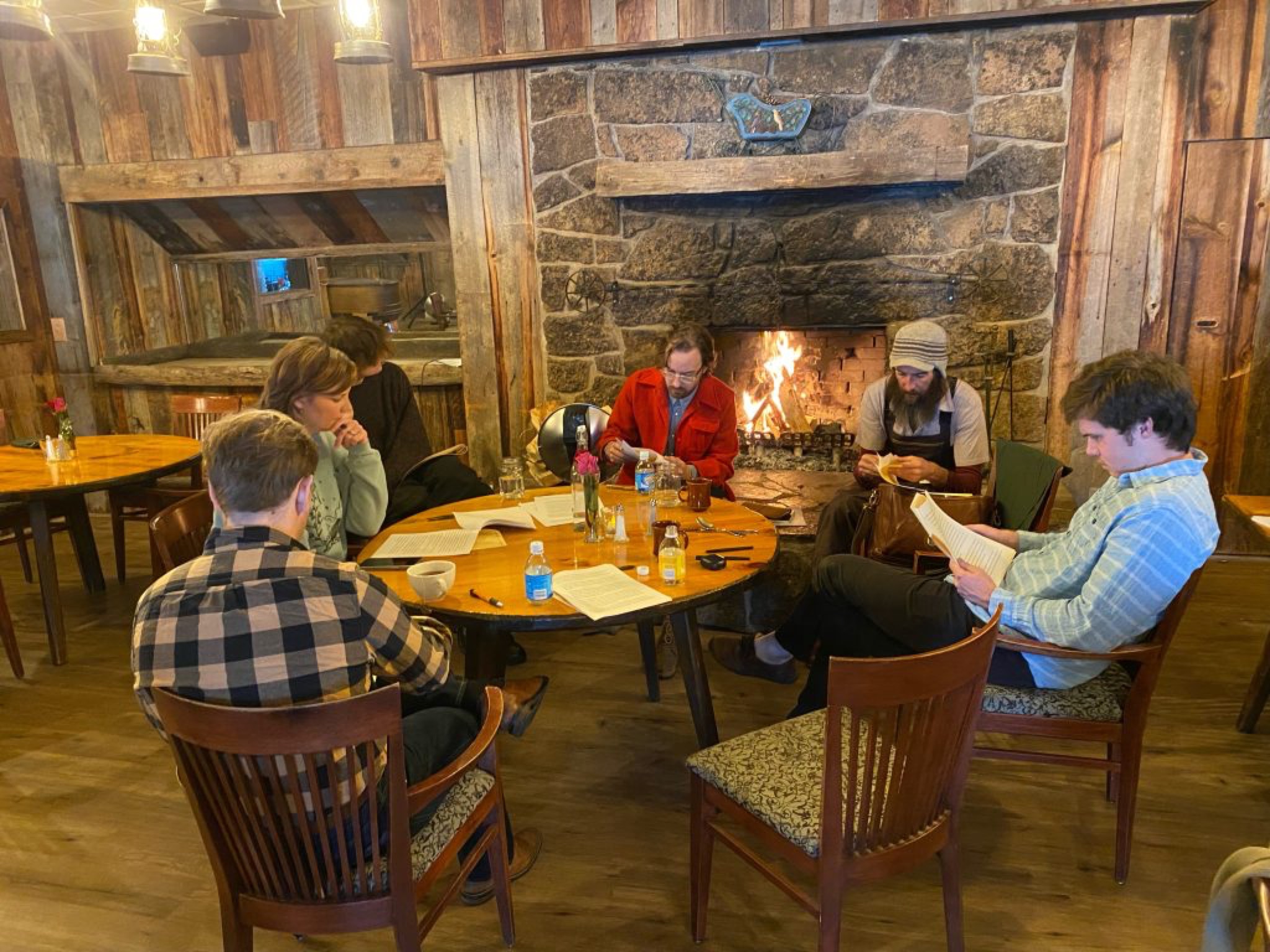
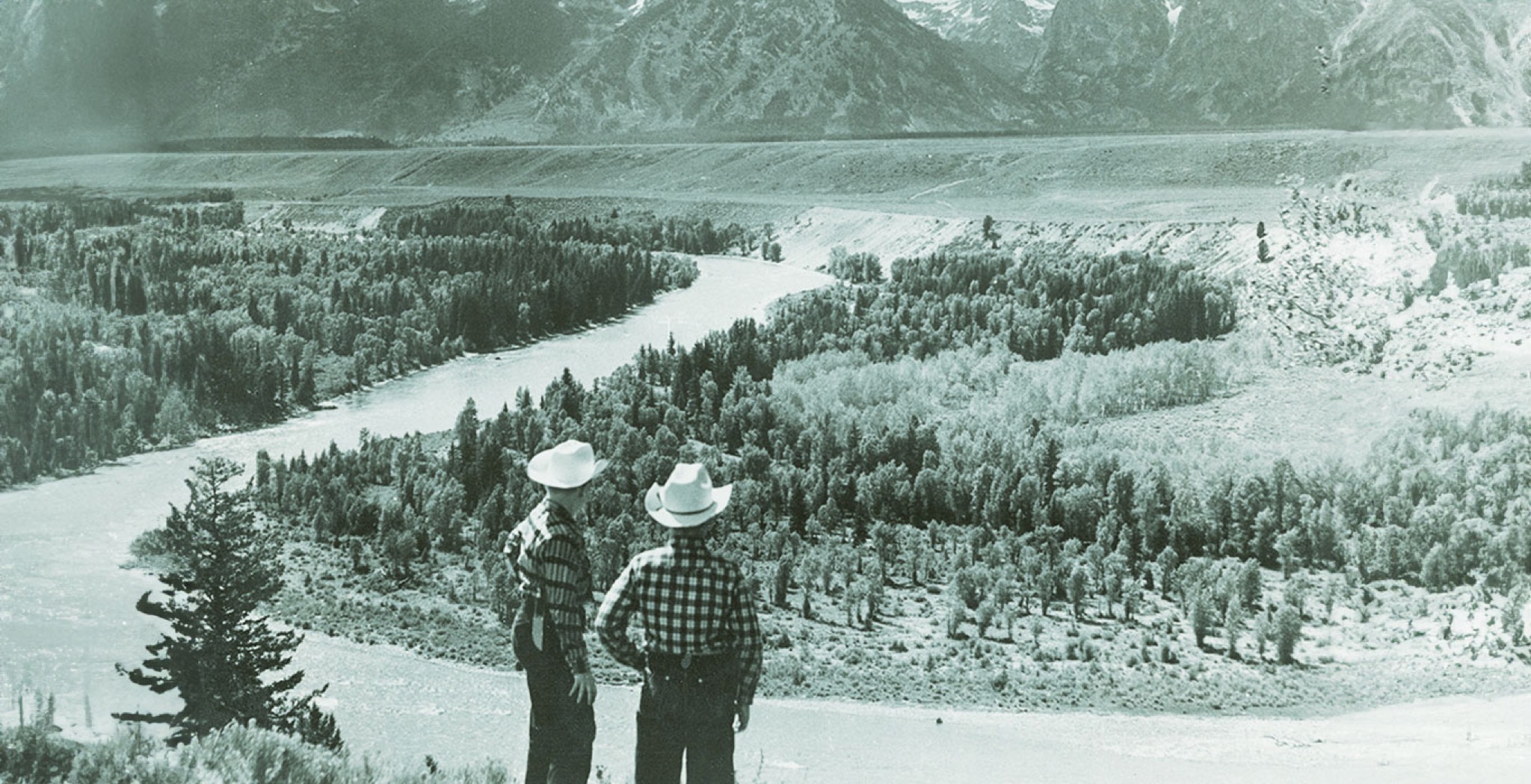
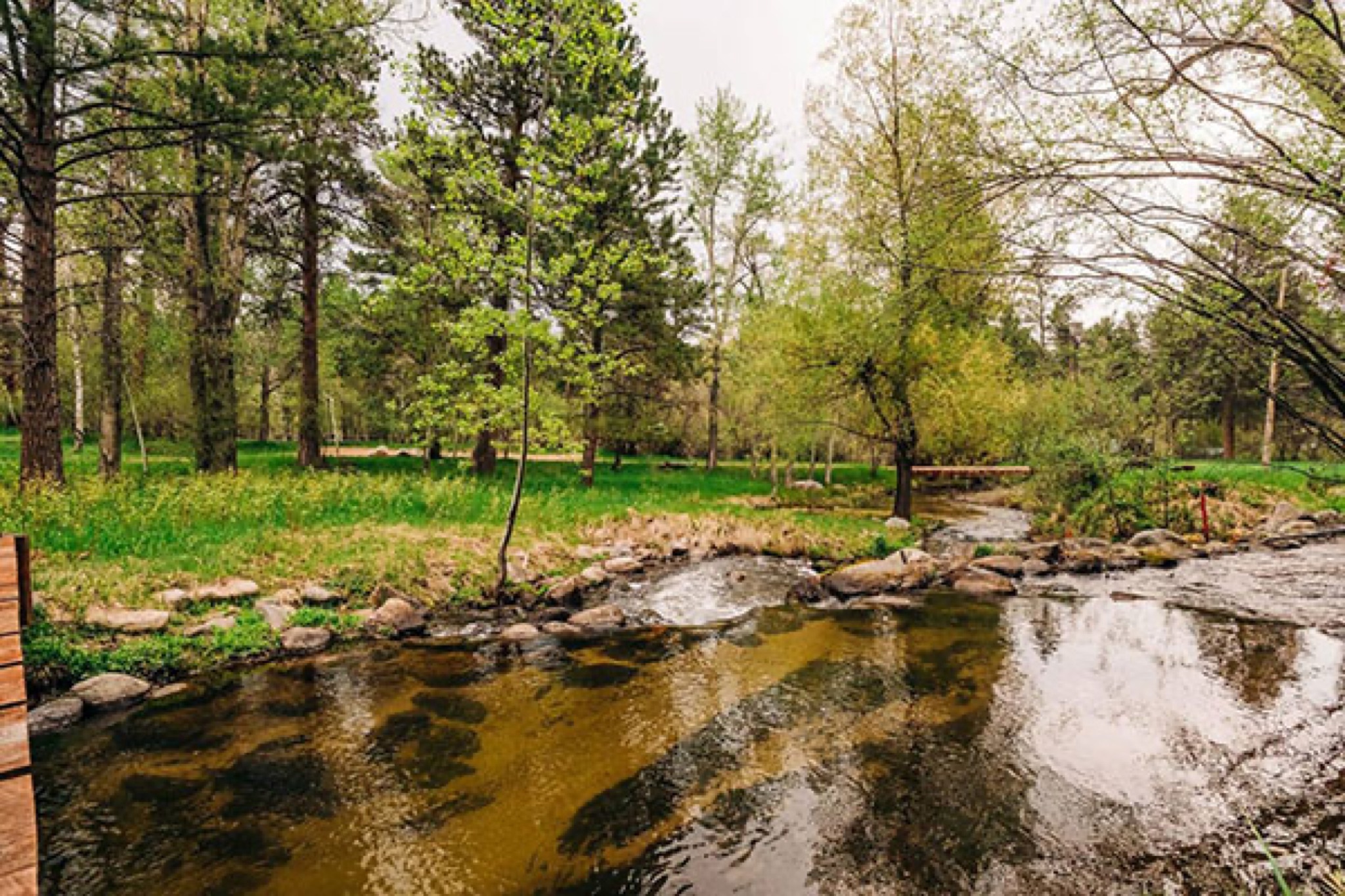
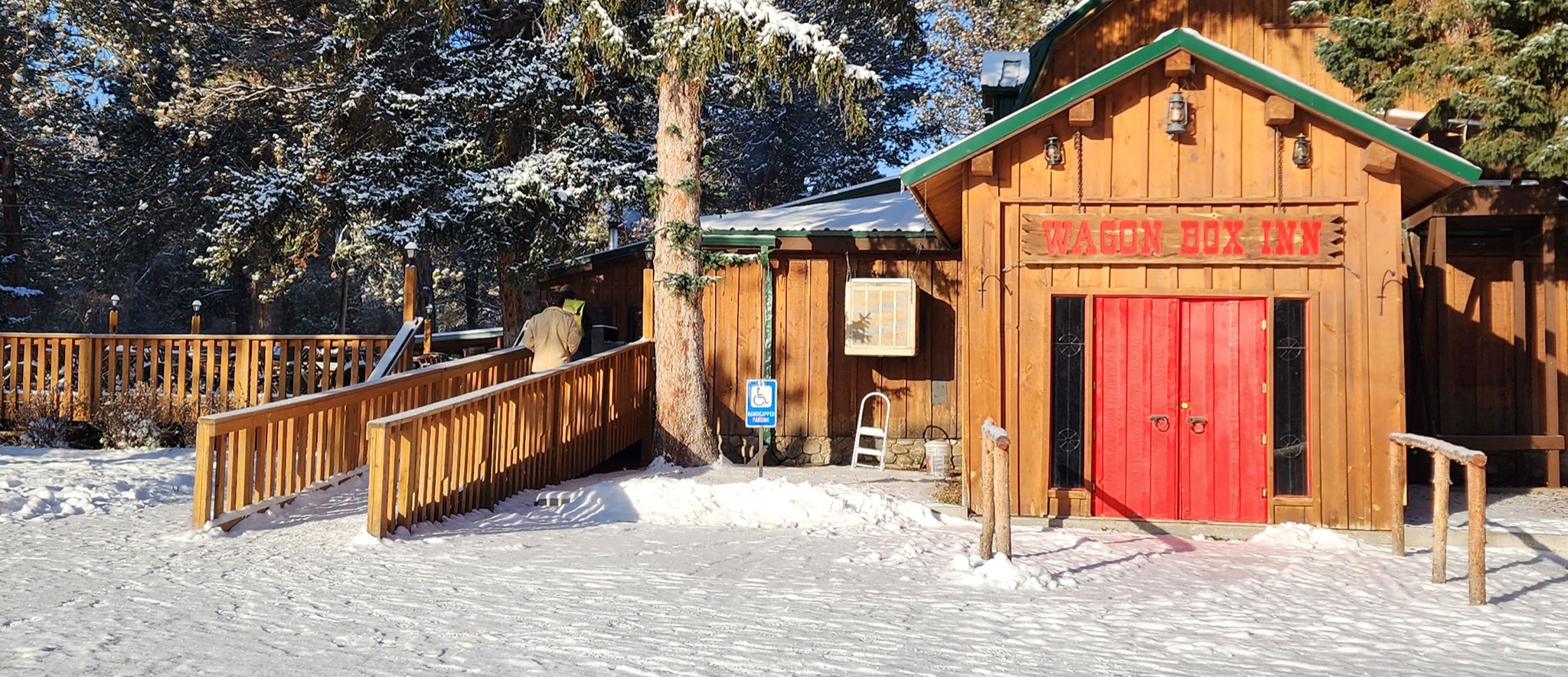
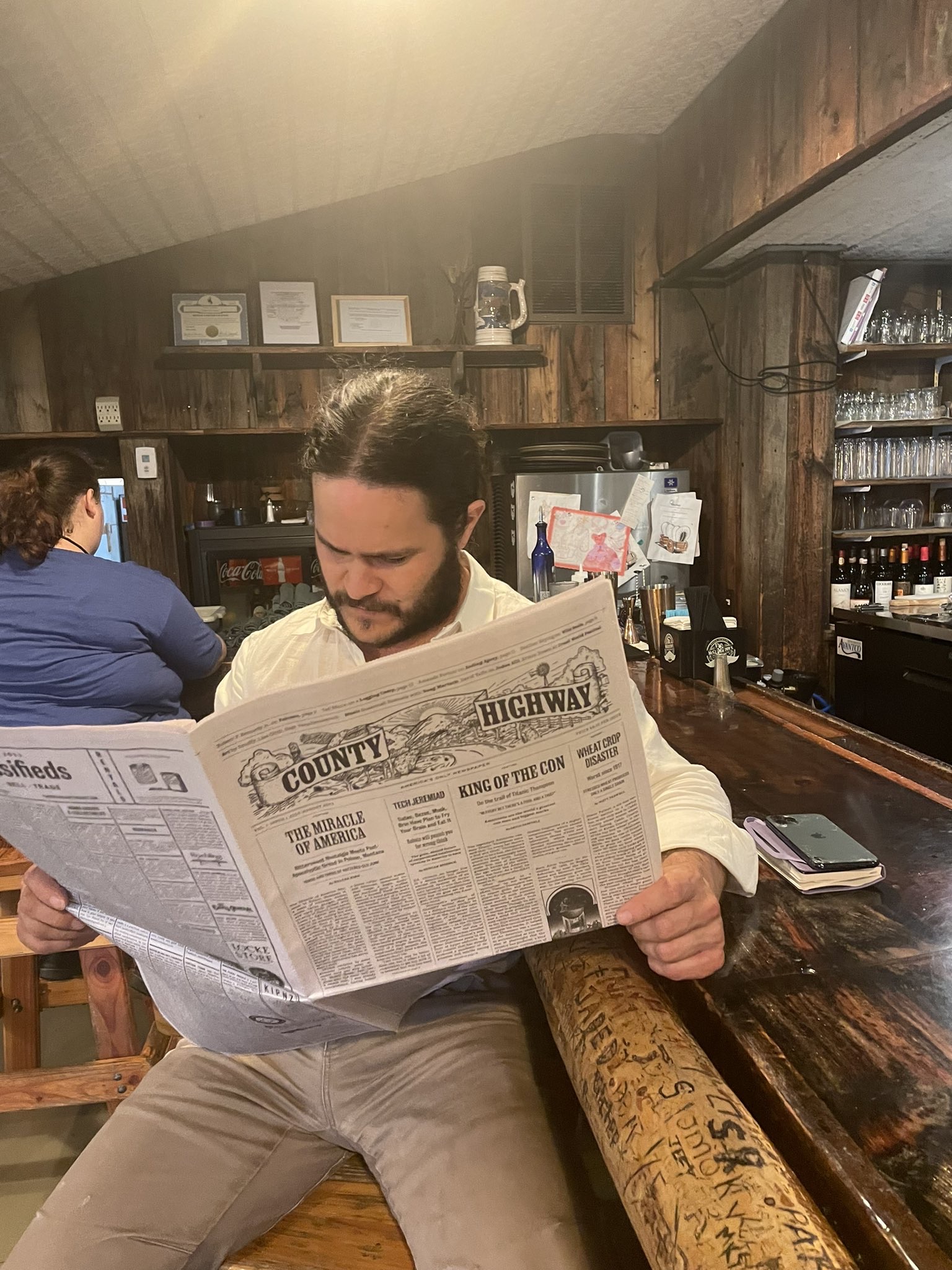
The Wagon Box in the small town of Story, Wyoming is the place to get away from the din of The Machine. With a Lodge, cabins, tents, and mini cottages, all within earshot of rushing streams, and 20 beautiful acres near national forest trails, you can rest, read, write, fish, explore, and meet other escapees or any of the local characters.
The Place
Twenty acres of meadow,
pine and quiet.
Trails into the Bighorn National Forest begin a short walk from your door. There is no schedule to keep and nothing you are required to do.
Stay a weekend, a week, or as long as you like. Downtown Story is a walk away; Sheridan is twenty-five minutes.
Learn
A Place To Call Home
More than a privately owned resort, The Wagon Box is forging a new kind of place and to serve as an intergenerational commonwealth of conversation, learning, adventure, and investment, as well as an oasis of art, music, and story.
The old social fabric of small-town and urban boroughs has been shredded by a series of new technologies. Vast impersonal hedge funds are absorbing neighborhoods and turning them into rent machines. Cottage industry itself has been turned into an international commodity, and the political apparatus is largely a system for converting fear and confusion into control.
And yet there must always remain hope. Nostalgic laments, anti-technological and anti-corporate vitriol get us nowhere. We must forge new institutions within these realities that are based in gratitude and rooted in loyalty and connection.
The Wagon Box will be a project along these lines, but also a place where folks can have this conversation of how to live sanely in strange times, and how to work together toward a bright and heavenly future.
Read
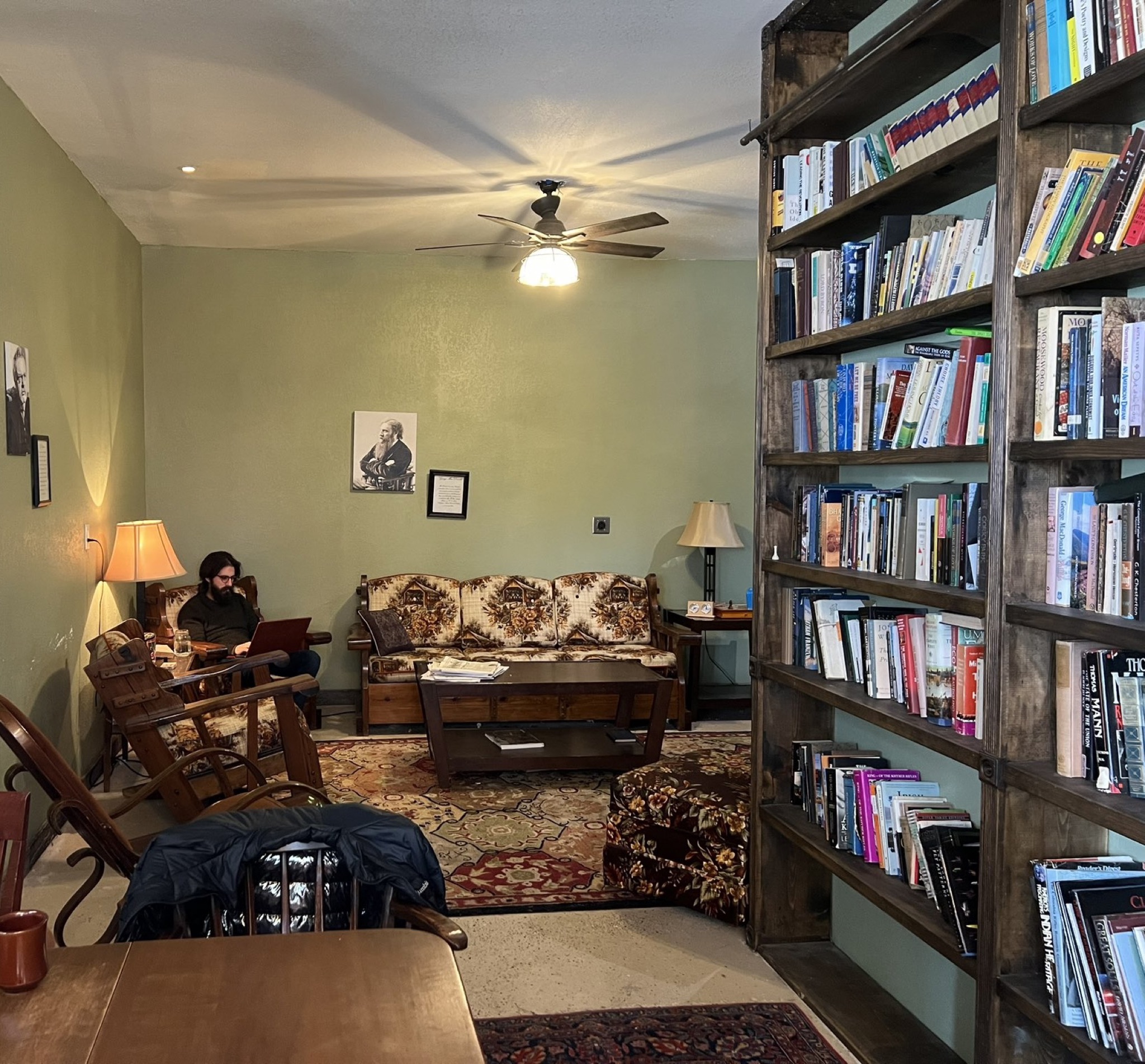
The Library
We come back to the same books so that guests arrive with something in common. When you and the stranger across the table have both read Dostoyevsky, you can argue about something older and larger than this week’s news. The writers below have held up their end of that conversation for a hundred years and more. We keep them close because they tell the truth about being alive, and because they give a room full of strangers a common tongue.
Leo Tolstoy
Tolstoy was not only a master storyteller, but a man of genuine conviction who tried hard to live out the true Christian life as he understood it. He was a pioneer in ways of living and breaking down class barriers in a way that was sacrificial and took into account different callings. His A Confession was the first book read by the Wagon Box book club.
G.K. Chesterton
Chesterton was a man who loved the fat of life–a pint of ale and a good steak–but also the mystical beauty of the world and the ever-new simplicity of the Christian tradition. His essays somehow mixed sound common sense with a creative wit and insight as he tirelessly fought against the arrogant atheistic progressive modernity pressing in on England between the wars.
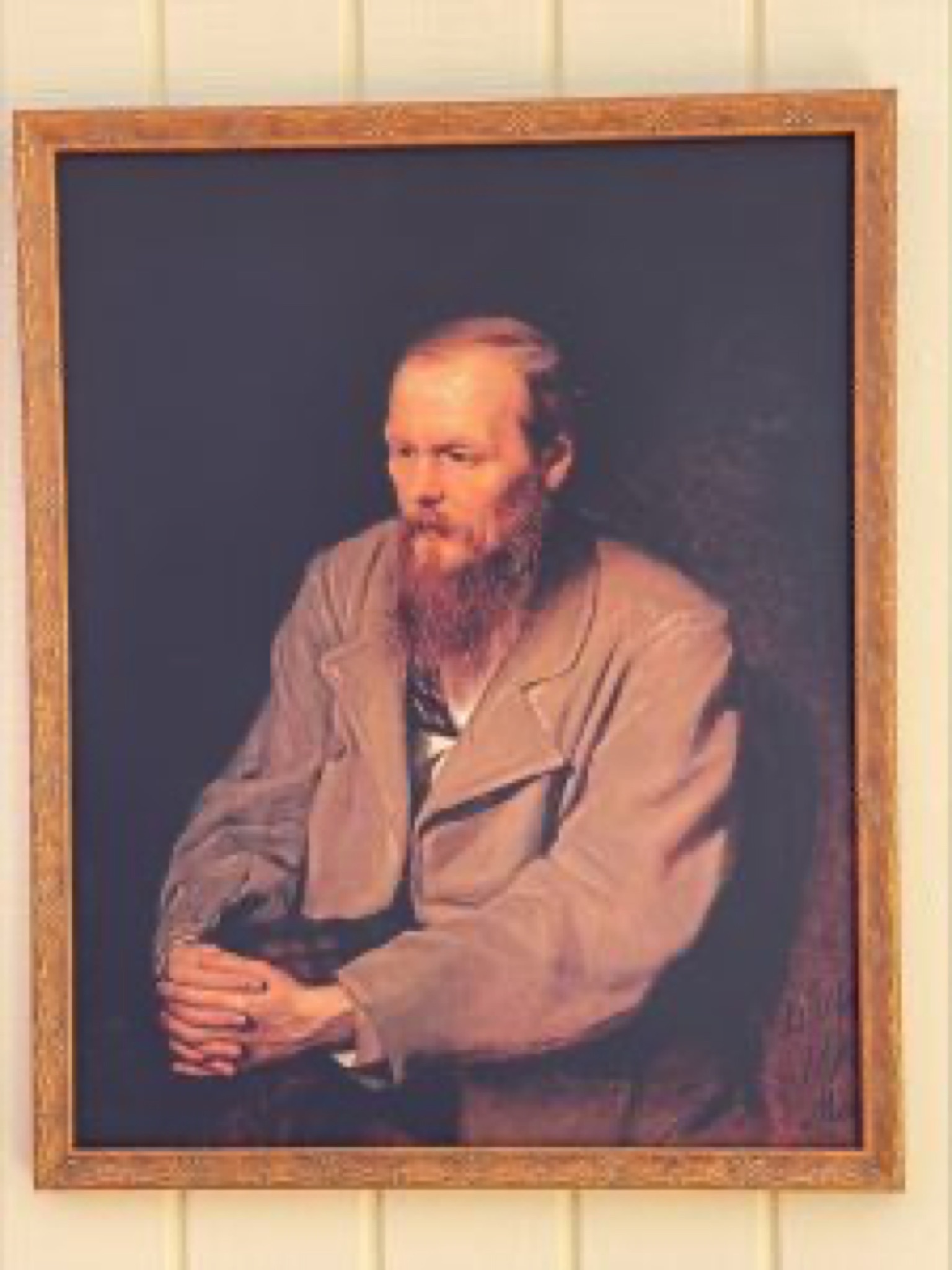
Fyodor Dostoyevsky
More than any other writer, Dostoyevsky captured the deeply troubling anxiety of modernity as the abyss of nothingness, with its moral untethering, loomed before the Western world. His deep conviction of the divine reconciliation of all things through suffering and by way of truth and beauty underlies his riveting stories.
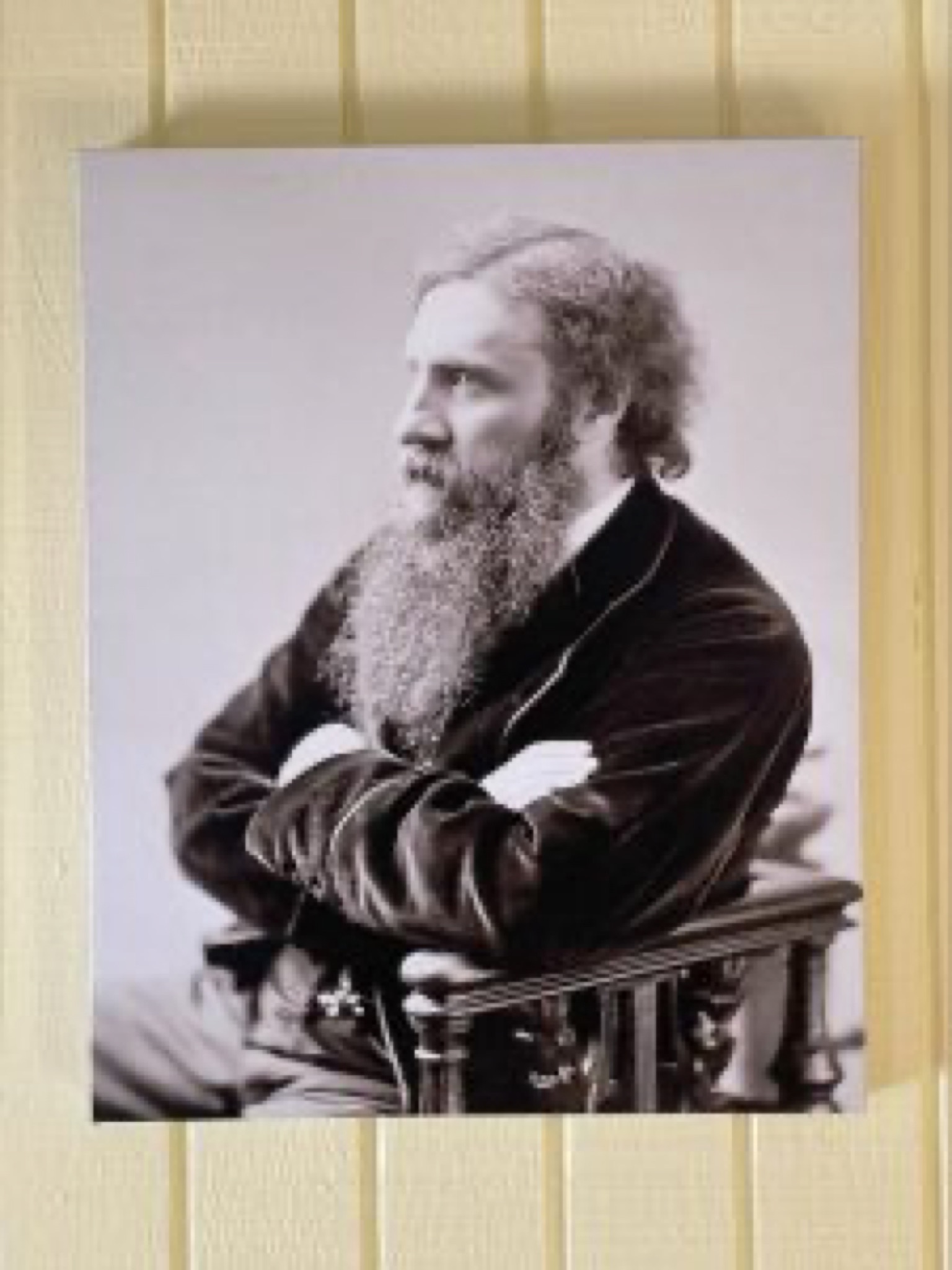
George MacDonald
MacDonald was a true Scotsman whose fairy tales and sermons probe the deepest truths and human longings which point us toward the beauty and forgiveness behind the darkness and wrongdoing in life. He had a heavy influence on C.S. Lewis, Chesterton, Lewis Carroll, Tolkien and many others.
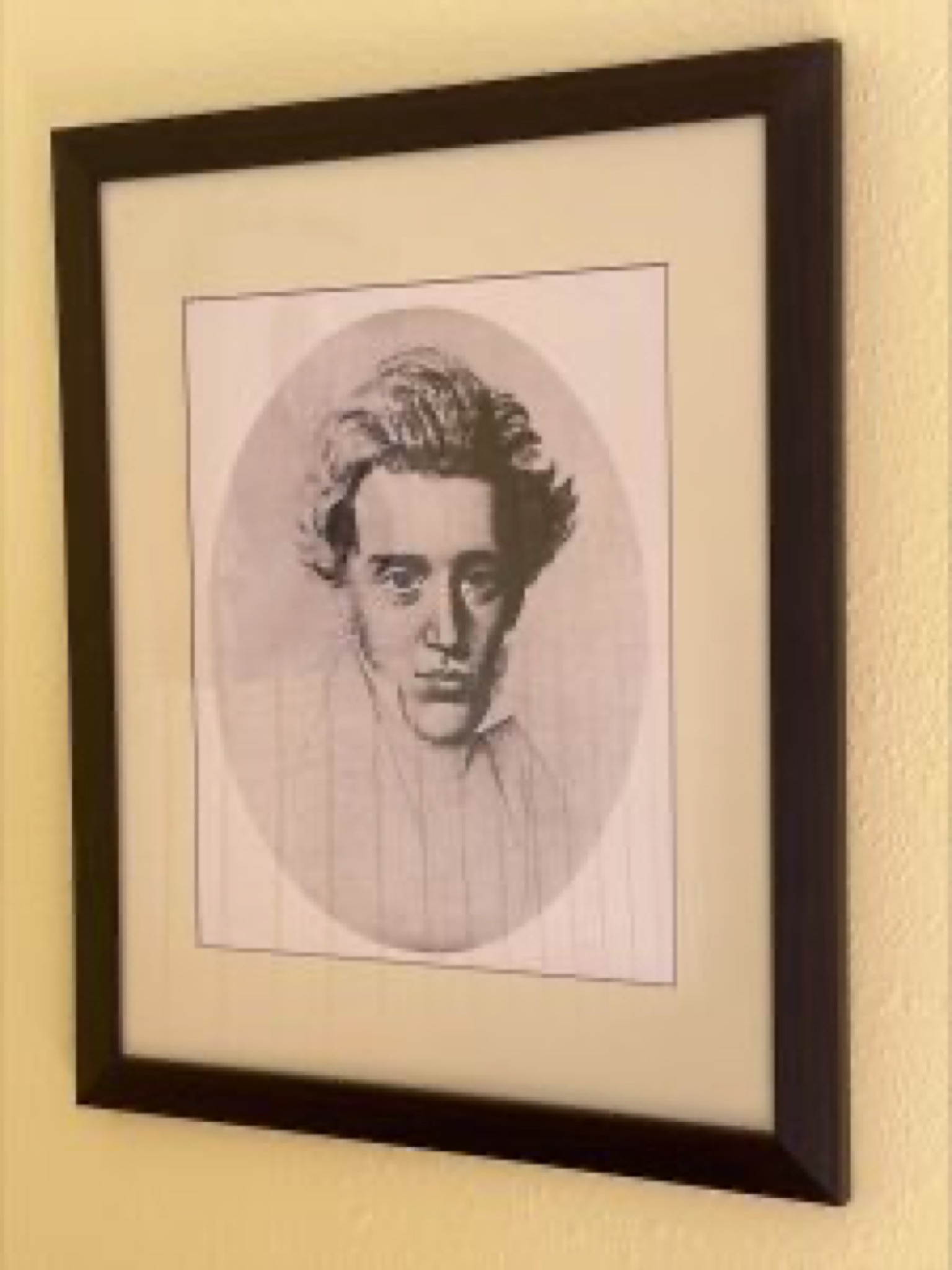
Søren Kierkegaard
Kierkegaard stands in a category all his own, probing the psychological and philosophical workings of existence, faith and the human experience. His books are innovative, as he poked at the established religious system and the shallow certainties of modernity with unique cleverness and commitment.
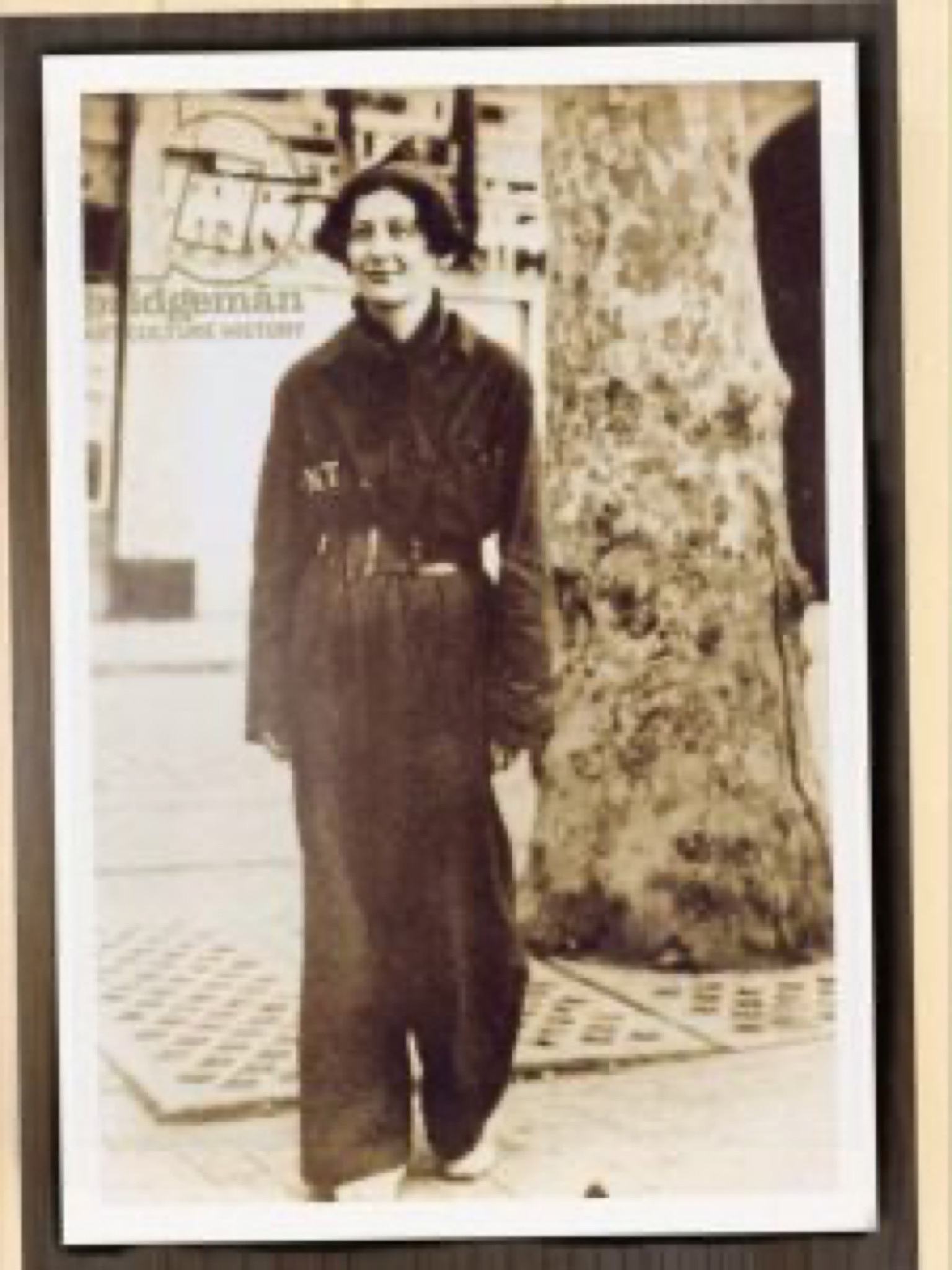
Simone Weil
Weil was a philosopher, Christian mystic and political activist whose life demonstrated a brave authenticity. She fought against the pervasive and intrusive State in its various forms, left and right, and searched for honest, decentralized and humane ways of living together peacefully.